
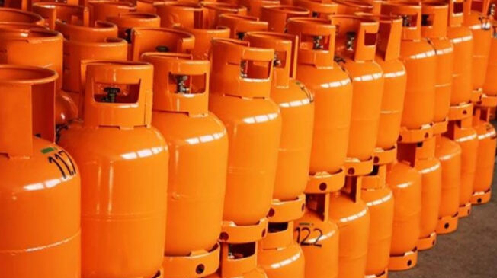
Islamabad: Government has decided to completely deregulate the Liquefied Petroleum Gas pricing regime, replacing the existing Oil and Gas Regulatory Authority notified maximum price mechanism with an import parity pricing model. Under the proposed guidelines submitted to the Cabinet for final approval, OGRA will stop issuing monthly price notifications for both locally produced and imported LPG with effect from November 1, 2026. Instead, state-owned entities—including Pakistan State Oil, SSGC LPG Limited, PARCO Pearl Gas Limited, and Pakistan LNG Limited—will lead the transition by importing LPG in bulk and announcing a monthly base price reflecting the actual landed cost of imports.
Thank you for reading this post, don't forget to subscribe!The new pricing mechanism will incorporate the Saudi Aramco Contract Price benchmark alongside actual import premiums, freight, insurance, incidental expenses, and applicable import taxes incurred by state importers during the preceding month. To shield vulnerable consumers from price fluctuations, the government is introducing a targeted subsidy for low-income households through a dedicated fund. Additionally, enforcement actions against the country’s approximately 1,200 non-compliant LPG bowsers will remain suspended until June 30, 2027, giving transport stakeholders time to meet safety standards.
This sweeping regulatory shift comes amid heightened geopolitical vulnerabilities in energy supply chains, making reliable and uninterrupted bulk imports essential to avoid winter shortages. While pricing is being handed over to market dynamics, OGRA’s role will shift toward strict health, safety, and environmental enforcement throughout the supply chain. The regulator will conduct regular audits, enforce penalties, and manage product review meetings with state importers to ensure adequate winter stocks are maintained as piped gas availability drops.